
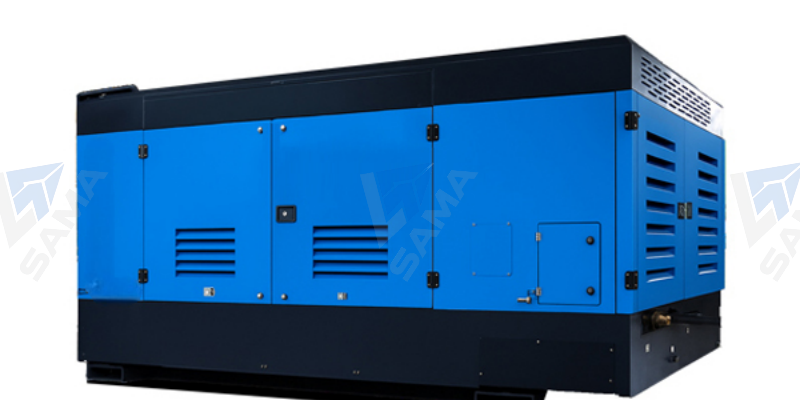
Electric vs. Diesel Air Compressors: Which One is Right for Your Job?
Choosing between an electric air compressor and a diesel unit is a key decision. It matters for contractors, facility managers, and rental fleet operators. Both types have clear benefits and limits. The best choice depends on your application, job site conditions, and operational priorities.
This guide explains the main differences between electric air compressors and diesel models. It covers key categories to help you choose wisely.
Power Source and Site Requirements
The most fundamental difference lies in how each type of air compressor receives its power.
Electric Air Compressors
An electric air compressor relies on an electric motor connected to the grid or a generator. These units require access to a reliable power source with adequate amperage. Common power configurations include:
- Single-phase (110V-240V) – suitable for small shops and light-duty air compressors
- Three-phase (208V-480V) – standard for industrial air compressors with larger horsepower ratings
Key consideration: Before selecting an electric air compressor, verify that your site has the correct voltage, phase, and available amperage. Adding a transformer or running long temporary power cables can add significant cost.
Diesel Air Compressors
Diesel-powered air compressors carry their own engine, making them completely independent of external power. This self-contained design allows them to operate anywhere – from remote mountain construction sites to underground mines.
Key consideration: Diesel units require fuel storage, regular fuel management, and must comply with local emissions regulations.
Portability and Job Site Flexibility
Diesel Air Compressors – Built for Mobility
Most diesel air compressors sit on heavy-duty trailers with built-in fuel tanks. This makes them easy to tow between sites. This “towable” design is ideal for:
- Road construction and repair
- Pipeline projects
- Drilling and well servicing
- Remote mining exploration
A diesel air compressor can be left running on site for days, providing continuous power without any external connection.
Electric Air Compressors – Fixed or Skid-Mounted
While small electric air compressors are portable, like wheelbarrow-style units. Most industrial electric models are made for permanent installation. They are typically bolted to a concrete pad inside a compressor room or outdoors under a shelter.
If you need to move an electric air compressor frequently, consider a skid-mounted or trailer-mounted electric unit. However, remember that you will still need to connect it to a power source at each new location.
Performance and Duty Cycle
Electric Air Compressors – Continuous Duty
An electric motor is exceptionally efficient at converting electrical energy into mechanical work. Electric air compressors can run nonstop. They can operate 24 hours a day, 7 days a week. Performance stays steady. This makes them the top choice for plants, auto assembly lines, and any site with steady compressed air demand.
Diesel Air Compressors – Robust but with Limits
Diesel engines can run for long periods, but they need regular maintenance, like oil changes and filter replacements. They also need cool-down periods at times. High-quality diesel air compressors are made for heavy-duty work. They can run in cycles. For example, they can power a jackhammer for an hour. Then they idle. Then they power it again.
However, if you use it all year in a fixed plant, an electric air compressor is usually cheaper. It is also more reliable.
Operating Costs and Efficiency
This is where electric-driven air compressors have a clear advantage.
Electric Air Compressor Costs
- Lower energy cost per CFM – Electricity is generally cheaper than diesel fuel per unit of energy
- High efficiency – Modern electric motors (IE3, IE4, or permanent magnet) convert over 90% of electrical energy into compressed air
- Minimal daily maintenance – No fuel handling, no engine oil changes, no fuel filter replacements
Diesel Air Compressor Costs
- Higher fuel expense – Diesel fuel is expensive and consumption rises under load
- Regular engine maintenance – Oil, filters, fuel system service, and eventual engine overhaul
- Fuel logistics – Transporting fuel to remote sites adds cost and risk
Note: Over five years, a diesel air compressor can cost two to three times more than a similar electric unit. This is mostly due to fuel and maintenance costs.
Noise and Emissions
Electric Air Compressors – Quiet and Clean
- Zero on-site emissions – No exhaust fumes. This makes them suitable for indoor use. It also works well in tunnels and cities with air rules
- Lower noise – A typical 50 HP electric air compressor runs at 69 to 75 dB(A). It is about as loud as a vacuum cleaner
- Can be placed inside a mechanical room, further reducing noise exposure
Diesel Air Compressors – Louder and Exhaust-Producing
- Produces diesel exhaust. It contains particulates and NOx. It may be restricted in some regions. It may require emissions after-treatment, such as DPF or SCR
- Higher noise levels – Typically 75-85 dB(A) or more, often requiring hearing protection and limiting use near residential areas
- Generally must be located outdoors or in well-ventilated areas
DC Motor Air Compressors – A Third Option
While this article focuses on standard electric vs. diesel, there is a growing category of small to medium air compressors powered by a DC motor (direct current). These units run on battery power or vehicle electrical systems and offer unique advantages for mobile applications.
A DC motor-driven air compressor is typically:
- Compact and lightweight – Easily carried or mounted on a service truck
- Powered by 12V or 24V vehicle system – No separate generator or fuel needed
- Ideal for intermittent duty – Tire inflation, small pneumatic tools, emergency roadside repairs
These air compressors serve a specific niche and are not direct competitors to large industrial electric or diesel units. However, they are worth considering for light-duty mobile tasks.
How to Choose: A Decision Framework
Use this simple guide to decide which type of air compressor fits your application.
Choose an Electric Air Compressor if:
- You have access to a reliable electrical supply (single- or three-phase)
- The air compressor will stay in one location (fixed installation)
- You need continuous, 24/7 operation
- Low noise and zero on-site emissions are important
- You want the lowest long-term operating cost
Choose a Diesel Air Compressor if:
- Your job sites are remote with no electrical access
- You need to move the air compressor frequently between locations (towed mobility)
- You require very high horsepower (above 250 HP) in a single self-contained unit
- Temporary rental for a short-term project (where fuel cost is less critical)
Consider a DC Motor-Driven Air Compressor if:
- You need a compact, portable unit for vehicle-based service work
- The application is intermittent – tire inflation, small tools, emergency repair
- You already have a 12V or 24V electrical system on your truck or trailer
Final Recommendation
For most fixed industrial applications, an electric air compressor powered by an efficient electric motor is the clear winner – lower operating cost, quieter, cleaner, and designed for continuous duty. Invest in a variable speed drive (VSD) electric air compressor to maximize energy savings.
For remote construction, mining, or emergency response without grid power, a diesel air compressor is often the best choice.
For light-duty mobile tasks, a compact DC motor air compressor works well. It is convenient and battery-powered. You can use it to inflate service truck tires. You can also use it to power a small nail gun.
Evaluate your specific power access, mobility needs, duty cycle, and budget. The right air compressor will provide reliable compressed air for years while keeping your operating costs under control.
Have questions about choosing an air compressor? Contact our team for personalized assistance. We offer both electric and diesel models to match your exact requirements. Subscribe to our newsletter for more equipment guides and industry insights.