
How to Operate a Road Roller Safely: Essential Tips for New Operators
Operating a road roller for construction requires a combination of skill, precision, and strict adherence to safety protocols. Whether you are new to heavy machinery or looking to refresh your knowledge, following these road roller safety tips will help protect both you and your team on every project.
1. Understand Your Machine
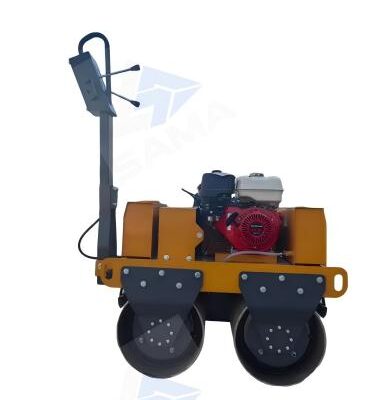
Before you learn how to operate a road roller, take time to understand its components and functions. A typical road roller consists of one or more heavy drums that apply pressure to compact soil or asphalt. Familiarize yourself with all controls, levers, gauges, and indicators on the machine. Know where the emergency stop buttons are located. Understanding your equipment is the foundation of safe operation.
2. Wear Proper PPE
Personal protective equipment is your first line of defense. Every operator must wear:
- Hard hat
- Safety glasses
- High-visibility vest
- Steel-toed boots
Additional hearing protection may be necessary for extended operation. Never skip PPE, even for quick tasks.
3. Perform Pre-Operation Inspection
A thorough pre-operation inspection helps catch problems before they cause accidents. Check the following before starting:
- Visible damage, leaks, or loose parts
- Tire or drum condition (proper inflation and no damage)
- Hydraulic systems, engine oil level, coolant, and brake function
- Water spray system for asphalt applications
- Seat belt and ROPS (rollover protection system)
If you find any issue, do not operate the machine until it is properly addressed.
4. Prepare Your Work Area
Safe operation begins before the engine starts. Clear the work area of all obstacles, debris, and loose materials that could interfere with machine movement. Check that the ground is properly leveled and free from large potholes or bumps. Mark underground utilities. Ensure all ground personnel are aware of the operating zone and maintain safe distance.
5. Operate at Safe Speed
When operating a road roller, always start at a slow, steady pace to ensure accurate compaction. Maintain consistent speed and avoid sudden stops or jerky movements that could cause uneven compaction or loss of control. Remember: rollers are heavy, slow-moving machines—they cannot stop or turn quickly.
6. Stay Alert and Aware of Surroundings
Always stay aware of your surroundings, especially when working near other workers or vehicles. Use mirrors and cameras if available. Be extra cautious on slopes and near edges. When reversing, look behind you before moving. Communicate with ground personnel using hand signals or radios. Never assume others see you.
7. Use Seat Belt and ROPS Every Time
Many operators skip the seat belt on slow-moving rollers. This is a dangerous mistake. A roller with ROPS (rollover protection structure) is only effective if the operator is restrained inside the protected zone. Always buckle up before moving. If a rollover occurs, the seat belt and ROPS together significantly reduce the risk of death or serious injury.
8. Proper Drum Technique for Different Materials
Effective compaction requires the right drum configuration and technique:
- Smooth drum: Suitable for cohesive soils and asphalt finishing
- Padfoot drum: Better for granular soils and materials requiring deeper penetration
Employ a back-and-forth overlapping pattern to achieve uniform compaction across the entire surface. Never engage vibration when the machine is stationary—this can damage internal components and compromise safety.
9. Maintain Clear Visibility
Ensure all mirrors and cameras are clean and properly adjusted before operation. Keep windows clean. If your machine has limited rear visibility, use a spotter when reversing. Do not rely solely on mirrors—physically check blind spots when safe to do so.
10. Follow Regular Maintenance Schedule
Safe operation depends on a well-maintained machine. Follow the manufacturer’s recommended maintenance schedule for routine inspections, fluid checks, and lubrication. Keep the machine clean, especially around the drum and undercarriage areas. Regular maintenance minimizes unexpected breakdowns and ensures consistent, safe performance.
Quick Safety Checklist for New Operators
| Before Starting | During Operation | After Shutdown |
| Complete pre-op inspection | Wear seat belt | Clean machine |
| Check PPE | Maintain safe speed | Inspect for leaks or damage |
| Clear work area | Stay aware of surroundings | Report any issues |
| Know emergency stops | Use proper drum technique | Secure machine on level ground |
Common Mistakes to Avoid
| Mistake | Why It’s Dangerous |
| Skipping pre-op inspection | Hidden issues cause unexpected failures |
| No seat belt on gentle slopes | Rollovers can happen anywhere |
| Operating too fast | Loss of control, uneven compaction |
| Ignoring blind spots | Risk of striking ground personnel or objects |
| Engaging vibration while stationary | Internal damage to machine components |
Final Thoughts
Learning how to operate a road roller safely is not just about protecting equipment—it is about protecting lives. By following these road roller safety tips, performing daily inspections, wearing proper PPE, and staying alert, new operators can quickly develop safe and effective habits. Remember: safety is not a one-time checklist. It is a mindset that must be practiced on every shift, every project, every day.
Use this guide as part of your roller operator training program. When in doubt, slow down, stop, and assess the situation. A few extra seconds of caution can prevent a lifetime of regret.
Need more guidance on road roller operation or safety training? Our team is here to help. Reach out to us today for expert advice, product support, or customized training materials. Let’s work together to build a safer worksite.