Ultimate Guide to Concrete Cutters for Road Projects
Selecting the right concrete cutter is a critical decision for any road construction or repair project. The right equipment directly impacts your efficiency, the quality of your work, and your bottom line. This guide provides a clear, practical overview of concrete cutting machinery to help you make an informed choice for your specific needs.
Understanding Concrete Cutting Machinery
Concrete cutting machinery encompasses a range of tools designed to cut, shape, or remove concrete with precision. Road projects, from highway repairs to residential street maintenance, demand robust and reliable equipment capable of handling tough materials and demanding schedules. Choosing the best concrete cutter for your application is the first step toward a successful project.
These machines work by using high-speed blades, often embedded with industrial diamonds, to grind through concrete. The choice of equipment depends heavily on the project’s scale, the type of cut required, and the working environment.
Key Types of Concrete Cutters for Road Work
Understanding the different types of concrete cutting machinery is essential. Here are the most common categories used in road projects.
Handheld Concrete Cutters
For smaller jobs, detail work, or accessing tight spaces, a portable concrete cutter is invaluable. These are lightweight, highly maneuverable tools ideal for tasks like cutting expansion joints, trimming edges, or making adjustments in confined areas. A concrete cutter contractor often uses these for quick, precise work where larger machines cannot go.
- Best for: Small repairs, edge trimming, and working in restricted areas.
- Advantages: Highly portable, easy to control, and versatile.
- Limitations: Not suitable for deep or long continuous cuts on large slabs.
Walk-Behind Concrete Saws
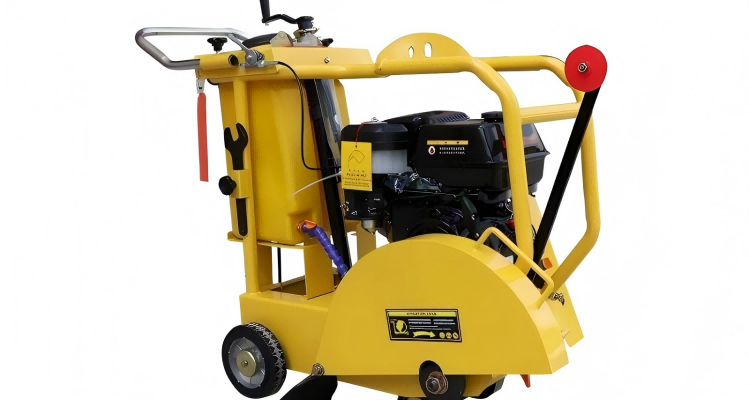
For larger road projects, a walk-behind saw is often the best concrete cutter choice. These powerful machines are designed for cutting long, straight lines in flat surfaces like roads, highways, and large slabs. They offer adjustable cutting depths and are built for productivity, making them a staple on professional job sites.
- Best for: Cutting pavement, highways, and large floor slabs.
- Advantages: Powerful, efficient for long cuts, and offers depth control.
- Limitations: Less maneuverable than handheld options and requires a flat surface to operate.
Specialized Saws for Unique Applications
Some projects require specialized concrete cutting machinery.
- Wall Saws: Mounted on track systems, these are used for vertical cuts, such as creating openings in concrete walls or bridges.
- Wire Saws: Employ a diamond-coated wire to cut through thick, heavily reinforced, or irregularly shaped concrete structures where other tools are impractical.
How to Choose the Best Concrete Cutter
Selecting the right tool involves evaluating your project’s specific requirements. Asking the right questions will guide you to the most effective concrete cutter.
1. Assess Your Project Scale and Scope
- What is the cutting depth and length? A small repair might only need a portable concrete cutter, while a highway resurfacing project demands a large walk-behind saw.
- What is the concrete’s composition? Standard concrete is easier to cut than material heavily reinforced with rebar. This will influence the type of blade and power you need.
2. Evaluate Your Working Environment
- Is there access to electricity? Electric saws are cleaner and quieter, but gas-powered models offer greater mobility for remote job sites.
- Is the work area confined? If space is limited, a portable concrete cutter is essential for maneuverability.
3. Prioritize Safety Features and Handling
Safety should always be a primary concern. A professional concrete cutter contractor will prioritize tools with good visibility, reliable guards, and effective dust control systems. Consider how comfortable the tool is to operate for extended periods.
4. Consider Total Cost of Ownership
The initial purchase price is only one factor. Evaluate the long-term costs, including:
- Maintenance: How easy is it to service the equipment?
- Blade Replacement: How quickly does it wear out blades?
- Fuel/Electricity Consumption: What are the daily operating costs?
The Importance of Quality Concrete Cutting Machinery
Investing in high-quality concrete cutting machinery is crucial for several reasons. First, it directly impacts productivity. Reliable, powerful equipment gets the job done faster, allowing you to meet project deadlines. Second, quality tools are safer. They have better-designed safety features, more robust construction, and are less prone to malfunctions that can cause accidents. Finally, a superior machine often translates to a better-quality cut, reducing the need for rework and ensuring a more professional finish.
Conclusion
Choosing the right concrete cutting machinery is a foundational decision for any road project. By understanding the different types of tools available—from the nimble portable concrete cutter to the heavy-duty walk-behind saw—and evaluating your project’s specific needs, you can select the best concrete cutter for the job. Whether you are a seasoned concrete cutter contractor or new to the industry, the right equipment, combined with a focus on safety and maintenance, is the key to achieving efficient, precise, and successful results.