Road Cutter Maintenance: Extend Blade & Engine Life
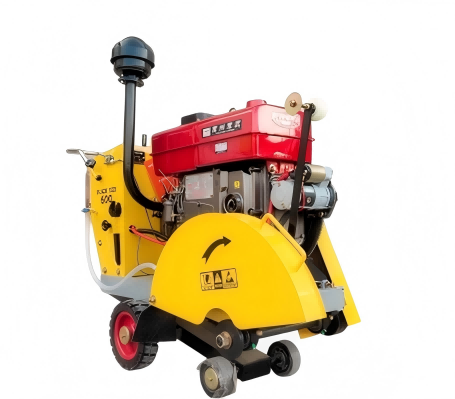
A concrete cutting machine is a true workhorse. Whether you’re slicing through slabs, pavement, or reinforced concrete, this tool takes a significant beating. Regular maintenance is not just a recommendation—it is essential to keep it running smoothly, extend its lifespan, and ensure precise, clean cuts. Without proper care, the machine wears out fast, blades dull quickly, and breakdowns inevitably happen at the worst possible times.
To avoid costly repairs and frustrating downtime, follow these practical road cutting machine maintenance tips.
1. Keep It Clean After Every Use
Dirt, dust, and slurry build up fast on a concrete cutter. If left unchecked, they clog moving parts, cause overheating, and lead to mechanical failure. A quick clean after each use prevents these issues and is the foundation of good maintenance.
How to Clean Your Concrete Cutter
- Wipe down the exterior with a damp cloth to remove surface dust.
- Use compressed air to blow debris out of vents and motor housings.
- Rinse off the blade guard to prevent hardened slurry buildup.
- Check water supply lines for blockages if your machine has wet-cutting capabilities.
Neglecting routine cleaning allows dust to settle in critical components, leading to rust and blockages that can compromise performance.
2. Inspect and Replace Blades Regularly
The blade does most of the work. A worn-out blade slows down cutting, increases strain on the motor, and causes rough, uneven cuts. Regular inspection is the key to ensuring top performance and learning how to extend concrete cutter blade life.
Signs Your Blade Needs Replacing
- Slower cutting speed — the blade struggles to get through material.
- Uneven cuts — edges look chipped or jagged.
- Excessive vibration — the machine shakes more than usual.
- Glazing — a smooth, shiny surface on the blade indicates it is dull.
Choosing the right diamond cutter for concrete for the specific material is just as important as proper handling. Using the correct blade reduces stress on the motor and extends both the blade’s and the machine’s lifespan.
3. Maintain the Engine and Motor
Whether you have a petrol, diesel, or electric cutter, the motor is the heart of the machine. Without regular maintenance, it will not run efficiently.
Key Engine Maintenance Tasks
- Check the air filter — a clogged filter reduces airflow, making the engine work harder. Clean or replace it as needed.
- Inspect fuel and oil levels — low or dirty oil causes overheating and damage.
- Tighten loose belts and bolts — vibration can loosen essential parts over time.
- Listen for unusual sounds — knocking, rattling, or whining means something is off.
A well-maintained engine ensures consistent power for your concrete cutting disk to perform effectively. Proper blade care reduces stress on the motor and extends both the blade’s and machine’s lifespan.
4.Store Your Cutter the Right Way
Improper storage leads to rust, moisture damage, and wear. Whether you are storing it for a day or a season, follow these steps to protect your machine.
Short-Term Storage Tips
- Keep it in a dry, dust-free area to prevent corrosion.
- Store with the blade removed to avoid warping.
- Cover the machine with a protective tarp if kept in an open space.
Long-Term Storage Tips
- Drain fuel from petrol-powered cutters to prevent gumming.
- Lubricate moving parts to keep them from seizing.
- Elevate the machine off the ground to avoid moisture exposure.
Good storage habits not only protect the machine but also save time when it is needed for the next job.
5. Keep Water and Cooling Systems Clear
For wet-cutting machines, water keeps the blade cool and reduces dust. If the cooling system clogs, it leads to overheating, blade damage, and reduced efficiency.
How to Maintain the Cooling System
- Flush the water lines after every use to prevent blockages.
- Check for leaks in hoses and fittings.
- Ensure consistent water flow while cutting. If water output decreases, clear the filter or replace worn-out parts.
A functional cooling system protects both the blade and the motor. Without proper water flow, the blade wears down quickly, and cutting precision suffers.
6. Follow Safety and Handling Best Practices
A poorly maintained cutter is a dangerous cutter. Following safety checks reduces the risk of accidents and equipment failure.
Daily Safety Checklist
- Inspect all bolts, belts, and fasteners for looseness.
- Test the emergency stop function before use.
- Wear safety gear — gloves, goggles, and a dust mask.
- Ensure the cutting area is clear of obstructions.
Safe handling not only protects the user but also extends the machine’s lifespan.
Frequently Asked Questions
- How often should I clean my concrete cutter?
You should clean your concrete cutter after every use. Concrete dust and slurry accumulate quickly, and if left unchecked, they harden and clog essential components. This buildup can restrict airflow, block cooling systems, and cause overheating, leading to long-term mechanical issues. A thorough cleaning routine that includes wiping down the exterior, using compressed air for vents, and flushing water lines ensures the machine operates smoothly and extends its service life.
- What is the best way to extend blade life?
To maximise blade lifespan, always use the correct diamond cutter for concrete for the material you are cutting. Harder materials like reinforced concrete require softer bond blades, while softer materials like asphalt need harder bond blades. Additionally, avoid overheating by maintaining a steady cutting speed and ensuring proper cooling. Wet cutting reduces friction and heat, while dry cutting requires controlled pauses to prevent overheating. Store blades properly and never force a dull blade through material.
- Why is my concrete cutter overheating?
A concrete cutter overheats when the engine isn’t getting enough airflow, the cooling system is blocked, or the machine is overworked. Common causes include a dirty air filter, clogged water lines (for wet-cutting machines), or forcing a dull blade through material. Overloading the machine by cutting too fast can also generate unnecessary heat. Regular maintenance and taking breaks during prolonged use can prevent overheating.
- Can I use my cutter in wet and dry conditions?
Yes, but using the correct blade and technique is essential. Wet cutting reduces dust, extends blade life, and is ideal for long or deep cuts. It requires a continuous water supply to cool the blade and wash away debris. Dry cutting is useful for smaller, more controlled cuts where water isn’t practical and requires segmented blades that allow airflow for cooling. Always follow the cutter’s specifications and blade recommendations for safe and efficient cutting.
- How do I know when to replace the air filter?
The air filter plays a critical role in engine performance. If your cutter is struggling to start, stalling, or producing black smoke, the air filter may need attention. Check it regularly—if it looks excessively dirty or damaged, replace it immediately. For high-use cutters in dusty conditions, inspect and clean the filter more often. A clean air filter ensures proper combustion, maintains fuel efficiency, and extends engine life.
Conclusion
Regular maintenance is the key to keeping your concrete cutter running efficiently, reducing downtime, and extending its lifespan. A well-maintained machine cuts cleaner, runs longer, and saves money on repairs. By following these road cutting machine maintenance tips—from cleaning after every use and inspecting the blade to caring for the engine, cooling system, and storage—you can ensure your equipment delivers consistent, high-quality performance on every job site. Whether you’re a contractor or a rental business, investing time in regular concrete cutter service will protect your equipment and your bottom line.