Walk-Behind vs. Ride-On Road Roller: A Complete Comparison
Choosing the right road roller for construction starts with one key decision: should the operator walk behind or ride on top? This comparison helps you make the right call based on project size, space, and material.
Walk-Behind Roller
A walk-behind roller is compact and ideal for small roller for tight spaces. The operator walks behind, steering via a handle.
Walk-behind roller advantages
- Fits narrow areas (sidewalks, driveways, trenches)
- Lower cost and simple maintenance
- Easy to transport
Limitations
- Lower compaction force
- Slower coverage
- Operator fatigue over long hours
Common uses
Walk-behind tandem roller models work well for asphalt patching, edge work, and small repair jobs.
Ride-On Roller
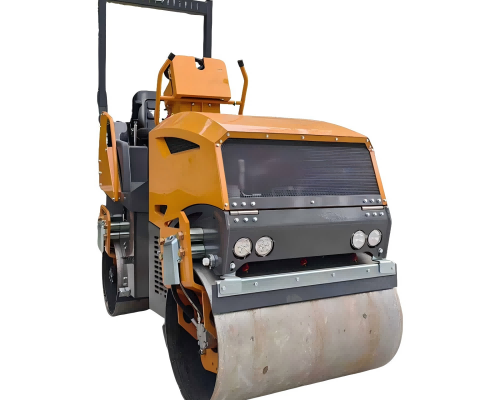
A ride-on roller lets the operator sit or stand, delivering higher power and productivity for large jobs. A ride on vibratory roller combines machine weight with vibration for deep, fast compaction.
Advantages
- High compaction force over wide areas
- Comfortable for long shifts
- Ideal for highways, runways, large parking lots
Limitations
- Higher cost
- Requires more space to turn
- Harder to transport
Key Comparison: Walk-Behind vs Ride-On Roller
| Feature | Walk-Behind | Ride-On |
| Best for | Tight spaces, small jobs | Large, open sites |
| Typical weight | 200 kg – 1.5 t | 0.7 t – 20+ t |
| Maneuverability | Excellent | Limited |
| Operator fatigue | Higher | Low |
| Cost | Lower | Higher |
How to Choose
- Small roller for tight spaces → walk-behind.
- Large highway / deep compaction → ride-on vibratory roller.
Road roller weight matters: light rollers (under 2t) for thin layers and small areas; heavier rollers (over 10t) for deep subgrade or thick asphalt.
For asphalt finishing on confined sites, a walk behind tandem roller is often the perfect fit. For major earthworks or highway surfaces, a ride-on model is the clear winner.
Final tip – Your road roller selection should always match the material (soil vs. asphalt), job site access, and required compaction depth. Use this guide to pick the right machine for your next project.