
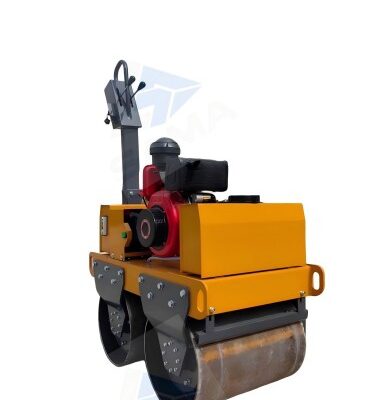
Complete Guide to Road Roller Maintenance
Proper maintenance is essential for any piece of heavy machinery, and road rollers are no exception. Well-maintained rollers perform better, last longer, provide consistent compaction, and exhibit fewer mechanical issues over their operational lives. A regular maintenance routine not only prevents unexpected breakdowns but also protects your investment by extending equipment lifespan.
This guide covers everything you need to know about how to maintain a road roller effectively.
Key Components of a Road Roller
Understanding what to maintain starts with knowing the key components. A road roller consists of several core systems that require regular checks and service:
Engine – The powerhouse of the roller, requiring regular oil changes, filter replacements, and fuel system checks.
Hydraulic system – Essential for smooth operation, it must be checked for leaks and fluid levels topped up regularly.
Drum – The compaction component, which needs to be inspected for wear and damage to ensure effective compaction.
Water spray system – Used on asphalt rollers to prevent material sticking, requiring cleaning and filter checks.
Vibration mechanism – Critical for vibratory rollers, requiring regular inspection of eccentric weight oil levels and system components.
Road roller weight typically ranges between 3 and 30 tons, depending on the machine type and application. However, maintenance needs remain similar across different weight classes.
Daily Service Checklist
Before starting work each day, performing a thorough pre-operation inspection helps identify minor issues before they escalate into costly failures. Your daily road roller daily service should include:
| Task | What to Check |
| Fluid levels | Check engine oil, coolant, and hydraulic fluid levels, topping up as needed |
| Leaks | Inspect for any oil, coolant, or water leaks around hoses and connections |
| Engine air filter | Check condition and clean or replace if dirty |
| Drum condition | Look for wear, flat spots, or damage that could leave marks on the finished surface |
| Tire pressure (single drum models) | Ensure tires are inflated to the recommended pressure |
| Water spray system | Check water levels, clean spray nozzles to prevent clogging, and inspect filters |
| Controls | Ensure all safety features and operational controls are functioning |
| Vibration system | Check vibration control operation before active use |
Regular maintenance takes a bit of time but can certainly be accomplished and significantly extends equipment life.
Maintenance Checklist by Service Interval
A structured road roller maintenance checklist ensures no critical component is overlooked. Follow these schedules for routine service:
Every 50 operating hours:
- Engine oil and filter change
- Clean air filter
- Inspect drum scrapers and adjust as needed
- Check all bolts and fasteners for tightness
Every 250 operating hours:
- Change engine oil and replace oil filter
- Check hydraulic fluid level and top up with filtered oil of the same grade
- Inspect fuel filters and water separator
- Grease all lubrication points (bearings, pivot joints, articulation points)
- Check battery condition and clean terminals
Every 500 operating hours and beyond:
- Replace hydraulic oil and filters (complete system flush recommended annually or per 600–1200 hours)
- Inspect gearbox and change gear oil (typically every 600 hours)
- Check vibratory system eccentric weight oil level through sight glass; drain and replace if required
- Inspect pumps, cylinders, and hoses for wear
- Have a professional mechanic perform a full-scale system inspection to identify hidden issues
Road Roller Common Problems and Solutions
Even with good maintenance, occasional issues arise. Being familiar with road roller common problems helps you respond quickly:
| Problem | Likely Cause | Quick Action |
| Engine fails to start | Weak battery, empty fuel tank, clogged fuel filters, or air in fuel lines | Check battery and fuel supply; bleed air from fuel system |
| Engine stalls during operation | Fuel starvation due to low diesel or air in fuel lines | Add fuel; bleed fuel lines using hand pump |
| Poor or uneven compaction | Worn drum, low vibration force, or incorrect machine speed | Inspect drum surface; check vibration system oil level and operation |
| Water spray system clogged | Debris in filter cup or nozzles | Clean water filter and strainer elements; clear clogged nozzles |
| Hydraulic system overheating | Low hydraulic fluid, clogged cooler, or worn pump | Check fluid level; clean cooler fins; inspect pump for wear |
| Clutch slipping | Reduced friction plate friction | Stop machine immediately; replace friction plate |
| Unusual noise or vibration | Loose bolts, damaged vibration mechanism, or worn bearings | Inspect fasteners; check eccentric weight assembly; replace worn parts |
For fuel line air removal, after adding diesel to an empty tank, use the hand pump to restore fuel supply before attempting restart. Do not put the machine in vibration mode when the machine is stationary, as this can damage internal components.
Seasonal Storage and Long-Term Care
When a road roller is not in use for extended periods, proper storage prevents rust, corrosion, and weather-related damage:
- Clean thoroughly after final use, paying special attention to the diesel engine, generator, hydraulic pump, and external lines.
- Drain water system completely when not in use to prevent freezing damage and internal corrosion.
- Protect unpainted surfaces by applying anti rust grease or oil to exposed metal.
- Cover the machine to keep dust, moisture, and debris away.
- Disconnect the battery or maintain it with a trickle charger.
Importance of the Break-In Period
After leaving the factory, a new road roller typically has a break-in period of about 60 operating hours. During this period:
- Avoid overloading or continuous high-speed operation.
- Perform the first oil and filter change at 50 hours.
- Pay extra attention to any unusual noise, vibration, or leaks.
- Follow manufacturer recommendations for initial service.
The break-in period is a main link in ensuring normal operation, reducing the failure rate, and extending service life.
Common Maintenance Mistakes to Avoid
| Mistake | Why It’s a Problem |
| Ignoring daily checks | Small leaks and wear go unnoticed until major failure |
| Using incorrect oil grades | Accelerated wear and reduced lubrication effectiveness |
| Skipping greasing intervals | Premature bearing and joint wear |
| Neglecting water spray system | Asphalt sticks to drums, damaging finished surface quality |
| Failing to clean after use | Dirt accelerates wear and traps moisture, causing corrosion |
| Running vibration on stationary machine | Potential internal damage to vibratory mechanism |
Final Thoughts
Regular maintenance is not just about extending machine life—it is about ensuring efficiency, safety, and reliability on every project. A well-maintained road roller keeps projects on schedule and within budget by reducing unexpected downtime and expensive repairs.
Use this guide as your reference when setting up your maintenance program. Always consult your specific machine‘s manual for exact service intervals, oil grades, and lubrication points. When in doubt, proper maintenance is always the safest and most cost-effective choice.
Have questions about road roller maintenance or need expert support? Our team is here to help.
Phone: +86 152 3222 5178
Email: info@samaquip.com
Website: https://www.samaquip.com/
Get in touch today to keep your fleet running at its best.