How to Choose the Right Road Cutting Machine
Choosing the right road cutting machine is a critical decision for any construction or road maintenance project. The correct equipment not only ensures efficient work but also affects the safety of operators and the overall quality of the job. This guide provides practical tips to help you make an informed purchasing decision.
Understand Your Cutting Needs
The first and most important step is to clearly define what you will be cutting.
Identify the Material and Depth
You must first know the material and the cutting depth of the ground you will be working on most frequently.
- Typical materials: Most projects involve cutting concrete or asphalt pavements.
- Common depths: The depth of normal cement floors and standard asphalt pavements is generally less than 15 cm. For this, a 500-type road cutting machine is often the most suitable choice, as its general cutting depth is around 18-20 cm or less.
Define the Application
Why do you need a concrete cutting machine? Understanding the application will further refine your choice.
- New pavement: To create expansion joints that withstand weather and humidity changes.
- Old pavement: To repair cracks, damages, or to make partial cuts for removal.
- Other uses: Factory floor refurbishment, cutting highway pavement, creating ditches, or even cutting test samples (cement, asphalt, rock) to observe internal structures.
Choose the Right Power Source
The power source is a key factor that determines the machine’s performance and portability. Currently, the road cutters on the market primarily come with three options:
| Power Source | Advantages | Best For |
| Electric Motor | Clean operation, low noise. | Indoor projects or sites with easy access to a power supply. |
| Gasoline Engine | High power, highly portable. | Outdoor jobs, remote sites, and projects requiring high mobility. |
| Diesel Engine | High torque, excellent fuel efficiency, very durable. | Heavy-duty applications, large-scale projects, and continuous operation. |
Recommendation: For most road work, especially where power supply is unavailable, gasoline and diesel power are more recommended due to their superior power and mobility.
Avoid Common Misconceptions
Customers often make a common mistake: thinking the greater the horsepower, the better. This is not always the best choice.
- The Trade-off: When horsepower increases, the weight of the machine also increases.
- Safety Risk: If the weight-to-power ratio does not reach the desired effect, it can be difficult to handle, and injury accidents are prone to occur.
- The Right Approach: It is crucial to choose a model that suits you. Do not blindly pursue efficiency, because weight and volume are also things that operators should care about.
Key Features to Look For in a Quality Machine
When evaluating a concrete cutter for sale, look for these essential design and safety features:
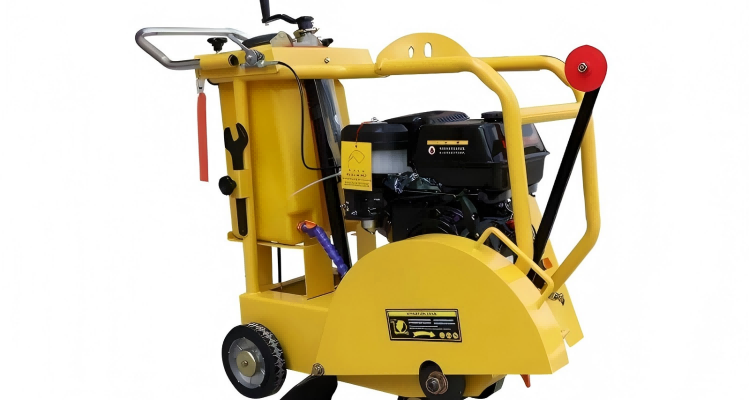
- Durable Construction: Look for a machine with a rigid, durable frame. This is essential to ensure a straight cut, resists warping and vibration, and extends the service life of both the saw and the blade.
- Ergonomic Design: The machine should be designed for operator comfort. An adjustable handle height, designed according to the principles of ergonomics, can significantly reduce fatigue during extended use.
- Adjustable Cutting Depth: A reliable machine will allow you to adjust the depth of the cut easily and precisely. Features like a hand crank for easy adjustment are a major plus.
- Efficient Water System: A built-in, rust-free water tank that provides suitable water flow is vital for dust suppression, keeping the blade cool, and extending blade life.
- Ease of Maintenance: Features like a blade guard design that allows for easy blade replacement will save you time and effort on the job site.
Understand the Cost of Ownership
The purchase price is just one part of the total concrete cutter cost. When choosing a machine, consider the long-term cost of ownership. This includes the cost of replacement blades, maintenance, and fuel or electricity consumption. A more durable and efficient machine from a reputable concrete cutter company may have a higher initial price but can be significantly more cost-effective over its lifespan.
Conclusion
Making the right choice requires focusing on your specific project needs rather than just chasing maximum power. By carefully evaluating the material and depth you need to cut, selecting the appropriate power source, prioritizing operator safety and comfort, and understanding the long-term concrete cutter cost, you can confidently select the best concrete cutter for your work. Remember to prioritize reliability and durability when considering a concrete cutter for sale to ensure a wise investment that will serve you well for years to come.
Need help finding the right concrete cutter for your project? Our team of experts is ready to assist you with personalized recommendations, competitive pricing, and after‑sales support. Contact us today for a quick quote or to discuss your specific requirements – we’re here to help you make the best decision for your business.