
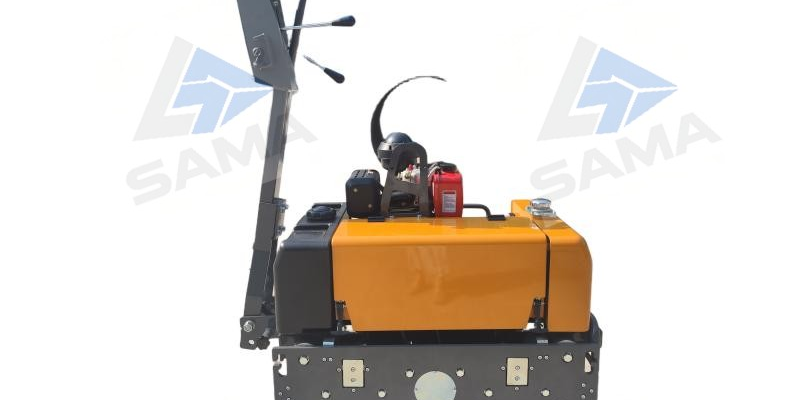
How to Troubleshoot Common Road Roller Problems: Vibration Loss, Overheating & Oil Leaks
Road rollers are the workhorses of any construction site, essential for compacting soil, asphalt, and concrete to build durable, long-lasting surfaces. But like any heavy equipment, they can develop issues over time. When a roller suddenly loses vibration, starts overheating, or begins leaking oil, the entire project can grind to a halt, causing costly delays.
This guide focuses on the three most common road roller problems operators face: vibration loss, overheating, and oil leaks. We’ll walk through how to identify each issue, what’s likely causing it, and the practical steps you can take to get your road flattener machine back up and running. Whether you’re mid-project or preparing for the next one, this guide will help you reduce downtime and keep your road roller for construction working at its best.
Problem 1: Vibration Loss (Roller Vibration Not Working)
This is one of the most frequent and frustrating issues. You start the machine, everything seems fine, but the drums won’t vibrate. Without vibration, compaction efficiency drops dramatically, and you can’t achieve the required density.
Possible Causes
- Low hydraulic pressure or low fluid levels in the vibration system
- Damaged exciter (the component inside the drum that generates vibration)
- Worn drum bearings
- Electrical faults (bad vibration switch, blown fuse, faulty solenoid coil)
- Misadjusted vibration components or loose belts
- Air trapped in the hydraulic lines
Solutions
- Start simple: Check the vibration fuse and vibration ON/OFF solenoid for continuity and proper function
- Inspect fluid levels: Ensure the hydraulic fluid reservoir is filled to the correct level with the proper fluid type
- Check pressure: Measure engine RPM and hydraulic operating pressure using a tachometer. Low RPM or incorrect pressure are common culprits
- Inspect mechanical components: If pressure is normal, the issue may be mechanical—check the exciter for damage and drum bearings for wear. Replace worn bearings or damaged exciter components as needed
- For belt-driven systems: Adjust or replace the vibration drive belt if it has slack
Pro Tip: Never engage vibration when the machine is stationary. Always start moving first, then activate vibration. Running vibration while stopped can damage internal components.
Problem 2: Overheating
An overheating roller is a serious safety risk and can cause permanent engine damage if not addressed quickly. Overheating can happen to both the engine and the hydraulic system.
Possible Causes
- Low coolant or oil levels
- Dirty or blocked radiator fins, preventing proper airflow
- Faulty water pump or thermostat
- Clogged air filters restricting engine cooling
- Continuous operation in extreme heat without cooldown breaks
- For hydraulic overheating: pump body issues, internal leakage, or extra exhaust/suction problems
Solutions
- Immediate action: Stop the machine immediately and allow the engine to cool down before inspecting
- Check fluids: Maintain correct coolant and oil levels; top up if low
- Clean the cooling system: Remove debris from the radiator and cooling fins. This is often the quickest and most effective fix
- Inspect components: Check the water pump and hoses for damage or leaks; replace faulty pumps or hoses
- Replace coolant: If high temperatures persist after replacing coolant, check for internal leaks in the heat dissipation box
- For hydraulic overheating: Inspect the pump body for damage or internal leakage, and ensure proper fluid circulation
Pro Tip: Flush and replace the coolant system periodically to prevent overheating during peak summer operating months. Overheating is a “silent killer” that can cause long-term performance loss if ignored.
Problem 3: Hydraulic Oil Leaks
Hydraulic oil leaks are common but should never be ignored. Even small leaks can lead to reduced system pressure, poor vibration performance, sluggish steering, and eventual component failure.
Possible Causes
- Worn or damaged seals and gaskets
- Loose hydraulic fittings and connections
- Cracked or damaged hoses
- Corroded hydraulic lines
- Leaking at the exciter block (a common leak point)
Solutions
- Identify the source: Use a piece of cardboard or board to pinpoint the exact location of the leak
- Tighten connections: Check all fittings, filter mounting bolts, valves, motors, oil pumps, and cylinders for looseness, and tighten as needed
- Replace damaged components: Replace worn seals, gaskets, and cracked hoses immediately
- Check the oil level: Observe the sight glass or dipstick on the side of the oil tank. If hydraulic oil is too low, top up with the correct fluid type
- Relieve pressure first: Before working on any hydraulic component, always relieve the hydraulic system pressure to prevent injury
- Bleed air from the system: After repairing a leak and refilling fluid, bleed any trapped air from the hydraulic lines to restore full system efficiency
Pro Tip: Keep a maintenance log to track fluid usage. If you’re constantly topping up hydraulic oil without visible external leaks, you may have internal leakage requiring professional diagnosis.
Prevention: The Best Fix Is No Fix at All
The best way to handle road roller common problems is to prevent them from happening in the first place. Here’s a simple road roller common problems maintenance checklist to follow:
| Interval | Action |
| Daily | Check fluid levels (engine oil, coolant, hydraulic fluid); inspect for visible leaks; clean the machine after use |
| Weekly | Inspect radiator and cooling fins; check air filter condition; inspect hoses and belts for wear |
| Monthly | Check all bolts and fasteners for tightness; inspect drum bearings and exciter components |
| Seasonal | Flush and replace hydraulic fluid and filters; inspect pumps, cylinders, and hoses; test vibration system pressure |
Operator-Related Issues
Many road roller problems are caused by improper use, not mechanical failure. For any vibratory roller or vibratory tandem roller, always remember:
- Never engage vibration while the machine is stationary
- Avoid sudden direction changes at high speed
- Don’t overload the machine beyond its rated capacity
- Follow proper shutdown procedures: turn off vibration first, then stop movement, then park on level ground with the brake engaged
Final Thoughts
Vibration loss, overheating, and oil leaks are among the most common issues that bring road rollers to a halt. By understanding the symptoms and causes outlined in this guide, you can quickly diagnose problems and take corrective action before they escalate into major failures.
For a road roller overheating fix, start with cleaning the radiator and checking coolant levels. For roller vibration not working, begin with the simple electrical checks before moving to hydraulic and mechanical inspections. For oil leaks, trace the source and replace worn seals and hoses immediately.
Remember, regular preventive maintenance is always cheaper and faster than emergency repairs. Keep your machine clean, check fluids daily, and address small problems before they become big ones. A well-maintained road flattener machine will serve you reliably for years, keeping your projects on schedule and your compaction quality consistent.