Single Drum vs. Double Drum Roller: Which One Do You Need?
Choosing the right compaction equipment is one of the most important decisions in any road construction project. The machine you select directly affects the density, uniformity, and long-term durability of the finished surface.
Two of the most common types are single drum rollers and double drum rollers. While they serve the same basic purpose—compacting soil, gravel, or asphalt—each is designed for very different applications. This guide will help you understand the differences and decide which roller is right for your project.
What Is the Difference Between a Single Drum and a Double Drum Roller?
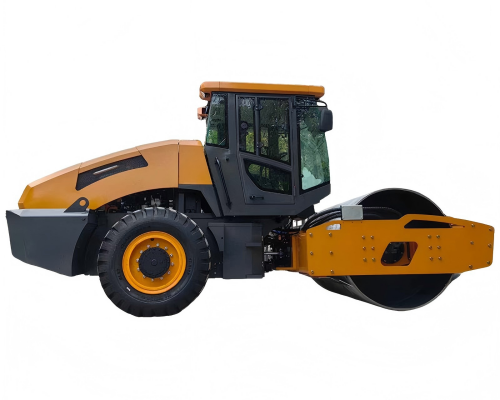
The most fundamental difference between a single drum and a double drum roller is the number of drums each machine uses. A single drum roller has one large steel drum at the front, with rubber tires at the rear for traction and stability. A double drum roller—also called a tandem roller—has two steel drums, one at the front and one at the rear, allowing it to compact the surface both ahead of and behind the machine in a single pass. This dual drum design delivers greater efficiency on large, flat surfaces.
Single drum rollers typically weigh between 10 and 25 tons, making them heavy enough to handle tough earthwork and deep soil compaction. Double drum rollers generally fall into a lighter weight range of 3 to 14 tons, which makes them more suitable for asphalt surfaces and thinner layers.
Single Drum Roller: The Workhorse for Soil and Subgrade
Single drum rollers are the go-to choice for earthwork, site preparation, and compacting base and sub-base layers. A single drum roller delivers deep compaction energy that effectively consolidates thick lifts of granular soil, gravel, and crushed rock. Unlike double drum rollers, single drum machines have excellent traction on slopes and uneven ground because their rear tires grip the surface while the front drum applies the compaction force. This makes single drum rollers the preferred option for highways, embankments, dams, landfills, and other large scale earthmoving projects.
Key Benefits of Single Drum Rollers
Deep compaction – Single drum rollers transfer high centrifugal force deep into the subgrade, achieving target density in fewer passes on thick lifts.
Superior traction – The combination of a front drum and rear tires provides excellent grip on rough, uneven, and sloped terrain.
Versatility – Smooth drums handle granular soils and asphalt bases, while padfoot drums are effective on cohesive materials like clay and silt.
Maneuverability – Their compact size and agile design make them suitable for tight spaces like municipal road repairs and parking lot foundations.
Rough terrain capability – Single drum rollers perform exceptionally well on uneven or rocky ground where double drum machines may struggle.
Typical Applications
- Highway subgrade and base layer compaction
- Dam and embankment construction
- Landfill and industrial site preparation
- Municipal road repairs and foundations
- Pipeline and cable trench backfill
Double Drum Roller: The Smooth Finish for Asphalt Surfaces
Double drum rollers are designed primarily for asphalt paving and surface finishing. A double drum roller compacts the paving material twice in a single pass, significantly speeding up the paving process. Both drums rotate at the same speed, which prevents asphalt shoving and ensures a uniform, even finish. For this reason, double drum rollers are essential for highway surface courses, airport runways, bridge decks, and any project where a smooth, high-quality asphalt finish is required.
Key Benefits of Double Drum Rollers
High surface quality – Dual-drum design delivers even pressure distribution, producing a smooth, dense asphalt mat free of waves and roller marks.
Excellent efficiency – The two drums compact both ahead of and behind the machine, covering more area in fewer passes.
High-frequency vibration – Double drum rollers typically feature high-frequency, low amplitude vibration, ideal for asphalt layers of various thicknesses.
Drum edge visibility – Operator visibility to drum edges is essential when driving a tandem roller on asphalt, ensuring precise maneuvering near curbs and obstacles.
Low noise and zero emissions options – Electric tandem rollers are available for urban projects with strict noise and emissions requirements.
Typical Applications
- Asphalt surface course and binder layer compaction
- Highway and expressway paving
- Airport runway and bridge deck finishing
- Large parking lots and industrial paving
- Road maintenance and repair projects
How to Choose the Right Roller for Your Project
To make the best choice, consider three key factors: the material you are compacting, the thickness of the layer, and the scale of your project.
Consider the Material
The type of material is the most important factor. For soil and subgrade compaction, a single drum roller is almost always the right choice. Single drum rollers excel at compacting granular soils like sand, gravel, and crushed rock, which are the foundation of most road structures. For asphalt and bitumen surfaces, a double drum roller is the preferred machine. If you are working with cohesive soils like clay or silt, a padfoot drum on a single drum roller is recommended.
Consider Layer Thickness
Asphalt layer thickness plays a critical role in selecting the right machine. For thin paving layers less than 60mm thick, a smaller double drum roller of 2–6 tons with an amplitude of 0.35–0.60mm is best to avoid aggregate damage and surface waves. For thick asphalt layers greater than 100mm, large to medium-sized vibratory rollers with high amplitude (up to 1.0mm) and a weight range of 6–10 tons are recommended to achieve full-depth density. For soil, single drum rollers generally reach target density in fewer passes on thick lifts, while double drum rollers are better suited to thin, well-graded layers.
Consider Project Scale
Project size also guides your decision. For large scale highways, expressways, and major infrastructure projects, you may need both: single drum rollers for subgrade and base layers, followed by double drum rollers for asphalt surface finishing. For smaller projects like driveways, sidewalks, parking lots, and municipal repairs, a compact double drum roller or a medium single drum roller is often sufficient. For tight urban streets and confined job sites, maneuverability becomes critical, and compact models of both types are available.
Single Drum vs Double Drum: A Quick Comparison
| Feature | Single Drum Roller | Double Drum Roller |
| Best for | Soil, subgrade, rock fill | Asphalt surface, base layer |
| Drum configuration | One front drum + rear tires | Two drums (front and rear) |
| Typical weight | 10–25 tons | 3–14 tons |
| Traction | Excellent on rough terrain | Moderate, best on flat surfaces |
| Primary purpose | Deep volume compaction | Surface finishing |
| Typical projects | Highways, dams, landfills | Highway paving, airports, parking lots |
Which Roller Is Better?
So, which roller is better—single drum or double drum? The answer depends entirely on your project. Neither is universally better; each excels in its intended application.
If your project involves earthwork, site preparation, or compacting soil and granular materials for subgrade and base layers, a single drum roller is the right choice. If your project involves paving asphalt and achieving a smooth, dense, high-quality surface finish, a double drum roller is what you need. Many large road construction projects actually use both types at different stages: single drum rollers for the foundation, double drum rollers for the surface.
When asking yourself what size road roller do I need, consider your layer thickness. Thin asphalt layers under 60mm call for smaller double drum rollers of 2–6 tons, while thick asphalt layers over 100mm require larger machines of 6–10 tons with high amplitude. For soil compaction, weight is generally the primary factor, with heavier single drum rollers delivering deeper consolidation.
Final Thoughts
Understanding the difference between single drum and double drum rollers is essential for any construction professional. A single drum road roller is the workhorse for soil and subgrade compaction, delivering deep, efficient consolidation on large earthwork projects. A double drum asphalt roller is the finishing expert, producing smooth, uniform asphalt surfaces with excellent efficiency.
By matching the machine to your material, layer thickness, and project scale, you can ensure optimal compaction results, extend the service life of your pavement, and complete your project on time and on budget. Use this single drum vs double drum roller comparison as your reference, and always consult the technical specifications of any road flattener machine before making a purchase decision.