Why the 5-8 Ton Road Roller is the Industry Standard for Medium-Scale Paving Jobs
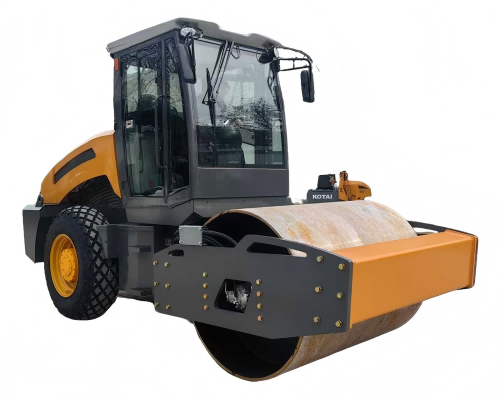
When it comes to medium-scale paving jobs, not every roller fits the task. Lightweight rollers lack the compaction force for thicker layers, while heavy rollers are overkill and hard to maneuver. That is why the 5-8 ton road roller has become the industry standard. It offers the perfect balance of power, size, and versatility for projects like residential streets, parking lots, bike paths, and commercial driveways.
The Right Road Roller Weight for Medium Jobs
Road roller weight is the most important factor in determining compaction depth and efficiency. A 5-8 ton machine sits right in the sweet spot:
| Weight Class | Best For | Typical Projects |
| 1-2 tons | Light patching, tight spaces | Driveways, sidewalks |
| 5-8 tons | Medium-scale paving | Residential streets, parking lots, bike paths, commercial driveways |
| 10+ tons | Heavy highways, thick lifts | Major roads, runways, industrial sites |
The 5-8 ton range provides enough static and vibratory force to compact asphalt lifts up to 100mm thick, as well as granular base courses. At the same time, it remains maneuverable enough for urban job sites with moderate space constraints.
Why a Medium Size Road Roller Excels
A medium size road roller offers several advantages over both smaller and larger machines:
- Sufficient compaction depth – For typical medium-scale paving, asphalt layers range from 50mm to 100mm. A 5-8 ton vibratory roller can achieve full density in a reasonable number of passes without risking aggregate damage.
- Good travel speed – These rollers can operate at speeds that keep paving crews productive without outrunning the material.
- Manageable transport – A 5-8 ton roller can be towed by a medium-duty truck, avoiding the need for special low-boy trailers required by heavier models.
- Operator comfort – Most 5-8 ton rollers feature enclosed or semi-enclosed cabs with ergonomic controls, reducing fatigue during long paving shifts.
- Fuel efficiency – Compared to 10+ ton machines, a 5-8 ton roller consumes significantly less fuel per hour while still delivering excellent compaction results.
Ideal for Asphalt Paving
A road roller for asphalt paving must meet specific requirements: smooth drums, water spray systems to prevent sticking, and vibration control to avoid surface marring. The 5-8 ton class excels here because:
- Drum widths (typically 1.5–1.8 meters) match standard asphalt paver widths, allowing efficient coverage.
- Vibration amplitude can be adjusted between low (for finish rolling) and high (for breakdown rolling).
- Dual-drum (tandem) configurations are common, providing even pressure across the full drum width.
- Water spray systems keep drums cool and clean, preventing asphalt pickup.
For residential street paving, a 5-8 ton tandem vibratory roller is the most common machine seen on job sites. It handles both the initial breakdown pass and the final finish pass with ease.
Versatility Beyond Asphalt
While the 5-8 ton roller is excellent for asphalt, it is also a capable road flattener machine for other materials:
- Granular base course – Compacts road base and sub-base to required density for medium-load streets and parking areas.
- Cold mix asphalt – Ideal for patching and small repaving jobs.
- Compacted gravel – Perfect for driveway base preparation and unpaved road maintenance.
- Soil stabilization – Sufficient weight for compacting fill in residential developments.
How It Compares to Smaller and Larger Rollers
| Feature | 1-2 Ton Roller | 5-8 Ton Roller | 10+ Ton Roller |
| Best asphalt lift | <50mm | 50–100mm | >100mm |
| Maneuverability | High | Medium | Low |
| Production rate | Low | Medium-high | High |
| Transport ease | Easy | Moderate | Difficult |
| Operating cost | Low | Moderate | High |
| Typical jobs | Driveways, sidewalks | Streets, parking lots | Highways, runways |
Practical Tips for Using a 5-8 Ton Road Roller
For breakdown rolling (first pass behind the paver) – Use high amplitude and lower speed (around 3 km/h) to achieve initial density.
For intermediate rolling – Switch to medium amplitude and slightly higher speed to continue compaction without overworking the surface.
For finish rolling – Use low amplitude or static mode to remove roller marks and achieve a smooth, sealed surface.
On slopes – The 5-8 ton weight provides good stability, but always roll from the low side toward the high side to prevent shifting.
Edge work – Most 5-8 ton rollers have excellent drum edge visibility, allowing operators to work close to curbs and manholes.
Why Contractors Choose the 5-8 Ton Class
For paving contractors who focus on medium-scale projects, investing in a 5-8 ton road roller makes business sense. It handles the majority of jobs—from small subdivision streets to large commercial parking lots—without the expense and logistical headaches of a heavy highway roller. It is the workhorse that stays busy year-round, delivering consistent, high-quality compaction on every project.
Final Thoughts
The 5-8 ton road roller has earned its place as the industry standard for medium-scale paving jobs. With the right road roller weight for typical asphalt lifts, excellent maneuverability for urban sites, and cost-effective operation, it is the go-to road roller for construction projects ranging from residential streets to parking areas. Whether you need a road flattener machine for base compaction or a dedicated road roller for asphalt paving, the 5-8 ton class delivers professional results without the excess weight and expense of larger equipment. For most paving contractors, this is the one roller that does it all.
Contact us today to find the right model for your next project.